
Celebrity
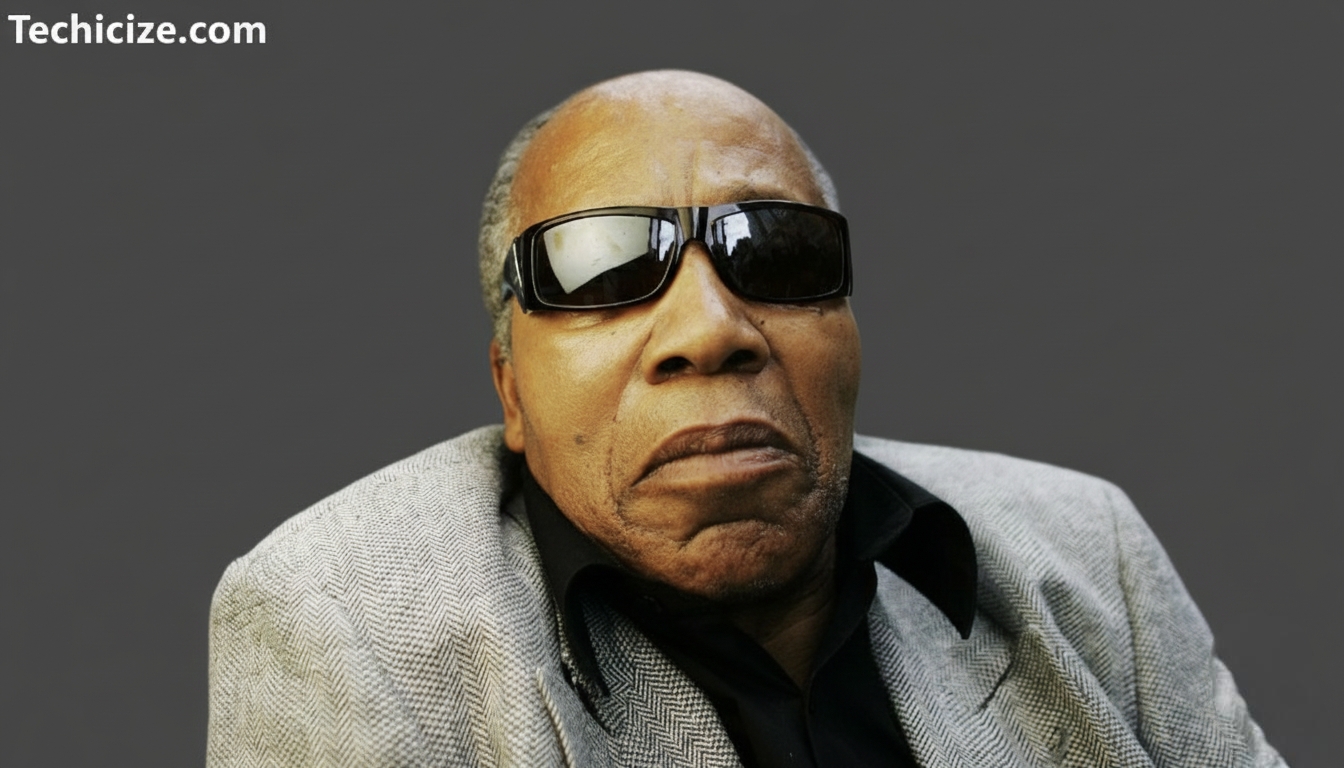
Frank Lucas Wife: The Untold Story of Julianna Farrait

Introduction
The story of Frank Lucas wife is as complex, emotional, and compelling as the notorious drug empire her husband once ran. While Frank Lucas became infamous as one of the most powerful heroin traffickers in American history, his wife, Julianna Farrait, lived a parallel life shaped by love, loyalty, fear, and consequences. Her story matters because it reveals the hidden human side behind crime headlines—a life lived in luxury, secrecy, and eventual downfall. This article explores who Julianna Farrait was, how she met Frank Lucas, the role she played in his empire, and how her life unfolded long after the spotlight faded.
Readers will gain a deeper understanding of the woman behind the legend, the moral complexities she faced, and the lasting impact of her choices. More than a crime spouse narrative, this is a story about identity, survival, and accountability.
Who Was Frank Lucas Wife?
Julianna Farrait was not just known as Frank Lucas wife; she was a former Puerto Rican beauty queen whose life took a dramatic turn after meeting Lucas. Born and raised in Puerto Rico, she came from a disciplined background and was educated, polished, and ambitious. Her elegance and confidence stood in stark contrast to the dangerous world she later entered.
Will You Check This Article: Peter Buchignani: A Closer Look at His Life, Career, and Influence
Before marrying Frank Lucas, Julianna lived a relatively conventional life. She was known for her beauty and charm, traits that later made her a striking presence in high society. When she crossed paths with Lucas, their connection was immediate, and it pulled her into a world far removed from her upbringing.
Quick Profile: Julianna Farrait
| Detail | Information |
|---|---|
| Full Name | Julianna Farrait |
| Birthplace | Puerto Rico |
| Known For | Wife of Frank Lucas |
| Marriage Year | Early 1970s |
| Legal Issues | Multiple drug-related convictions |
| Status | Deceased (2017) |
This table helps frame her identity beyond headlines, showing the contrast between her origins and the life she later lived.
How Julianna Farrait Met Frank Lucas
The meeting between Julianna Farrait and Frank Lucas happened in New York City during the late 1960s, a time of social change and underground power shifts. Lucas was already rising within Harlem’s drug scene, though his wealth was not immediately obvious. Julianna was drawn to his confidence and generosity rather than overt displays of power.
Their relationship developed quickly. Frank Lucas presented himself as a disciplined businessman, and in many ways, that image was true. He avoided flashy behavior and carried himself with restraint. For Julianna, this made him different from other men she had encountered. She later described him as calm, focused, and deeply loyal.
Their marriage marked the beginning of her immersion into a hidden empire that would eventually attract federal attention.
Life of Luxury and Secrecy
Being Frank Lucas wife meant living a double life. On the surface, Julianna enjoyed immense wealth—designer clothes, luxury homes, and international travel. Beneath that surface was constant vigilance. The family operated under strict rules designed to avoid suspicion, including modest dress and low public visibility.
One famous anecdote highlights the danger of this balance. Julianna once attended a boxing match wearing an expensive chinchilla coat. That single moment of visible luxury raised red flags among law enforcement and is often cited as a turning point in the investigation against Frank Lucas.
Luxury came with limits. Julianna could not freely discuss her life, trust outsiders, or live without fear. Every privilege was tied to risk.
Julianna Farrait’s Role in the Empire
Contrary to popular belief, Frank Lucas wife was not a passive observer. Julianna Farrait played an active role in transporting money and drugs, often acting as a courier. Her appearance and demeanor made her less likely to be searched, a fact the operation exploited.
She traveled internationally, carrying cash sewn into clothing or hidden in luggage. While she later claimed loyalty as her primary motivation, her actions placed her squarely within the criminal enterprise. This role would eventually lead to her arrest and conviction.
Her involvement raises difficult questions about choice versus coercion. Was she manipulated by love, or did she knowingly embrace the lifestyle? The truth likely lies somewhere in between.
Arrests, Trials, and Prison Time
Julianna Farrait’s legal troubles began in the mid-1970s when authorities dismantled Frank Lucas’s operation. She was arrested alongside her husband and faced serious charges. Initially, she cooperated with law enforcement, which reduced her sentence.
However, her story did not end there. Years after her release, Julianna was arrested again for attempting to sell cocaine. This second conviction shocked many who believed she had left that life behind. It suggested how difficult it was to fully escape the world she once knew.
Prison changed her. Interviews from later years show a woman marked by regret and exhaustion, aware of the consequences of her past decisions.
Marriage Under Pressure
The marriage between Frank Lucas and Julianna Farrait was tested by betrayal, imprisonment, and public scrutiny. Cooperation with authorities created tension, as loyalty and survival clashed. Despite these strains, they remained connected for many years.
Their relationship challenges traditional ideas of partnership. Love existed, but it was constantly overshadowed by danger. Trust was fragile, shaped by external forces neither could fully control.
This dynamic illustrates how criminal life corrodes personal bonds, even when affection is genuine.
Portrayal in Film and Popular Culture
The 2007 film American Gangster brought renewed attention to Frank Lucas wife. In the movie, Julianna Farrait was portrayed as glamorous yet emotionally distant. While the film captured certain truths, it simplified her complexity.
Real-life Julianna was more nuanced. She struggled with fear, ambition, and moral conflict. Films often compress these layers into stereotypes, but her actual story resists easy categorization.
Popular portrayals matter because they shape public understanding. In this case, the reality is far more human and tragic than fiction suggests.
Life After Frank Lucas
After her second release from prison, Julianna Farrait lived largely out of the public eye. She distanced herself from media attention and avoided discussing her past in detail. Her later years were quieter, marked by reflection rather than notoriety.
Frank Lucas himself expressed regret for the life he led, particularly the impact on his family. Julianna’s silence during these years suggests a desire for peace rather than redemption through publicity.
She passed away in 2017, closing a chapter on one of the most dramatic partnerships in American crime history.
Lessons from Julianna Farrait’s Life
The story of Frank Lucas wife offers broader lessons about choice, influence, and accountability. Julianna Farrait’s journey shows how proximity to power can distort judgment. It also highlights the long shadow cast by early decisions.
Two key takeaways stand out:
- Love can cloud moral boundaries, especially when tied to survival.
- Escaping a criminal identity is far harder than entering it.
These insights resonate beyond crime stories, touching anyone navigating loyalty and personal responsibility.
Conclusion
Julianna Farrait was far more than just Frank Lucas wife. She was a woman shaped by love, ambition, fear, and consequence. Her life moved from beauty pageants to prison cells, from luxury to loss. Understanding her story adds depth to the narrative of Frank Lucas and reveals the human cost behind criminal empires.
Her experiences remind readers that crime is never isolated. It affects families, identities, and futures in lasting ways. By examining her life honestly, we gain a clearer picture of how choices ripple across decades. The story ultimately encourages reflection, caution, and a deeper appreciation for the value of lawful paths.
Frequently Asked Questions (FAQs)
Who was Frank Lucas wife?
Frank Lucas wife was Julianna Farrait, a former Puerto Rican beauty queen who became involved in Lucas’s drug empire and later faced multiple convictions.
Was Julianna Farrait involved in Frank Lucas’s crimes?
Yes, she played an active role, including transporting money and drugs, which led to her arrest and imprisonment.
Did Julianna Farrait go to prison?
She served prison time twice, once alongside Frank Lucas and again years later for a separate drug-related offense.
How was Julianna Farrait portrayed in American Gangster?
The film portrayed her as glamorous but understated, though the real-life Julianna was more complex and conflicted.
What happened to Julianna Farrait later in life?
She lived quietly after her release from prison and passed away in 2017, away from public attention.
Introduction
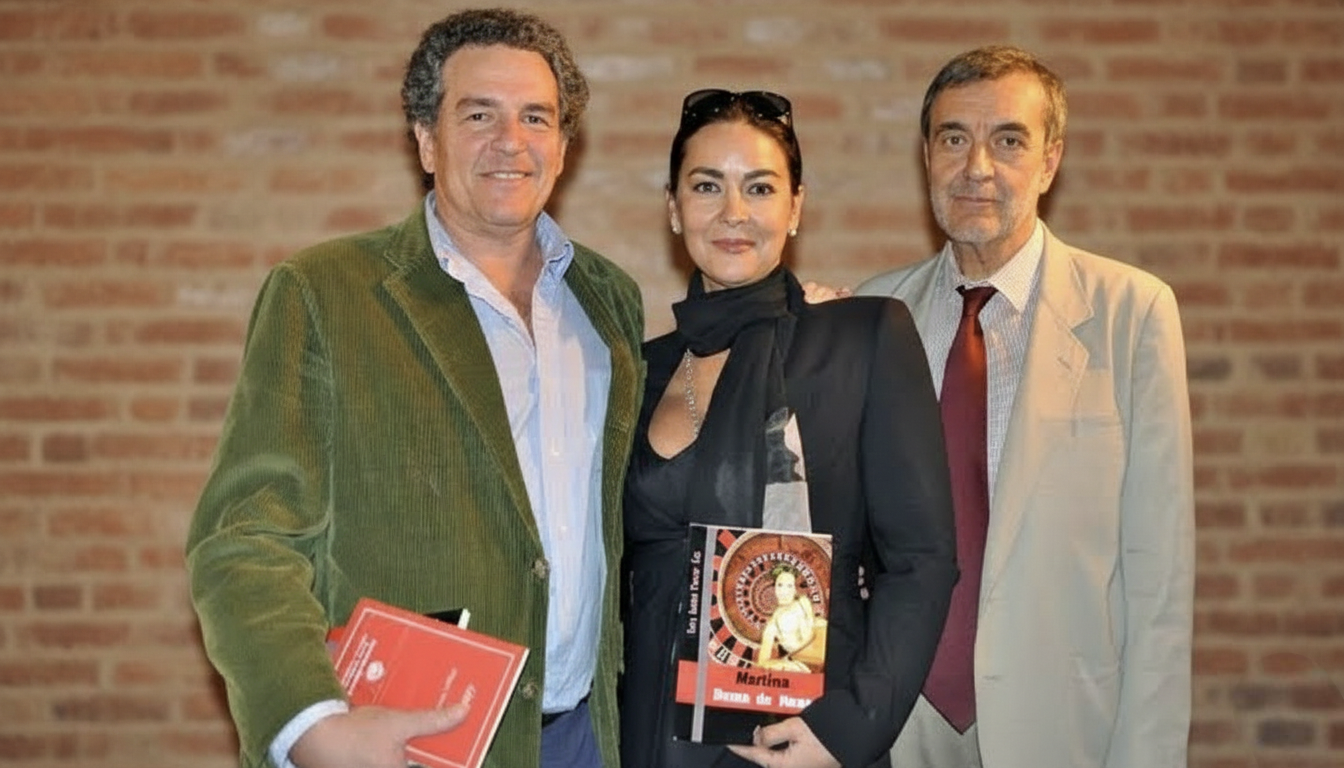
Carlos Scola Pliego is a name that may not be known to everyone, but it carries a fascinating story. For many, he’s first recognized as the Spanish filmmaker who married the iconic British-Nigerian singer Sade Adu in 1989 and shared part of her journey both personally and creatively. Yet Carlos Scola Pliego’s life encompasses much more than just a celebrity marriage. He is a creative mind with roots in filmmaking, literature, and visual storytelling. In this article, we take a deep look at his life, his work, the love story that captured global attention, and the legacy he continues to hold—quietly but profoundly.
Reading about Carlos Scola Pliego matters because it shows how creativity and personal courage can intersect with fame, leave a lasting impact, and still preserve a sense of humility. Whether you’re a fan of film, music, or stories of real people behind famous figures, this comprehensive exploration offers insight, inspiration, and a humanizing perspective on a man who worked mostly behind the scenes yet played a key role in a public icon’s life.
Right after beginning this article, you’ll encounter a Quick Bio section summarizing crucial facts about Carlos—your anchor for the story that unfolds.
Quick Bio
| Attribute | Details |
|---|---|
| Full Name | Carlos Scola Pliego |
| Date of Birth | Not publicly available |
| Place of Birth | Spain |
| Nationality | Spanish |
| Profession | Filmmaker, Author, Translator |
| Languages Spoken | Spanish, English |
| Years Active | 1979 – Present (sporadic) |
| Notable Works | Ngira: Gorilas en la montaña; Donde termina el corazón |
| Marital Status | Divorced |
| Ex-Spouse | Sade Adu (m. 1989; div. 1995) |
| Children | None together |
| Net Worth | Estimated $70M (unverified) |
| Current Profile | Private, minimal public presence |
Early Life and Background
Carlos Scola Pliego was born and raised in Spain, a country known for its deep cultural and artistic traditions. Specific details about his family, childhood, and education remain largely private, which has contributed to an air of mystery around his early years. While the public doesn’t have access to his exact birthdate or early influences, his later work in film and literature suggests a lifelong passion for storytelling and visual expression.
Growing up in a place where cinema, art, and music are woven into everyday life likely helped shape Carlos’s perspectives and creative instincts. Spain’s vibrant film culture—anchored by legendary directors and visually rich storytelling—would have offered a fertile landscape for a young artist hungry to learn and create.
Carlos Scola Pliego’s Journey Into Filmmaking
Carlos Scola Pliego embarked on his filmmaking path in the late 1970s and 1980s, gaining industry experience in various production roles. Early in his career, he worked as a script supervisor and assistant director on multiple film and television projects.
Notably, he contributed behind the scenes on international productions, including uncredited work as a second assistant director for the James Bond film Never Say Never Again (1983).
His directorial projects include:
- Ngira: Gorilas en la montaña (1988) – A documentary short exploring wildlife and natural environments.
- Donde termina el corazón (1989) – A feature documentary with cultural and human themes.
Though not widely recognized for blockbuster success, Carlos’s films represent thoughtful looks at humanity, nature, and emotion—traits that hinted at the artist he would become.
Creative Expression Beyond Film: Writing and Translation
Carlos Scola Pliego didn’t limit himself to the visual arts; he also explored written expression. He authored reflective works like Salvador: Un apunte de filosofía sencilla and translated novels like El médico de Toledo into Spanish. These endeavors highlight his philosophical mind and literary sensitivity, offering readers depth and contemplation beyond cinematic visuals.
His writing is quieter than his filmmaking but carries the same thoughtful and introspective voice, appealing to readers who value clarity, calm, and insight.
How Carlos Scola Pliego Met Sade Adu
One of the pivotal moments in Carlos Scola Pliego’s life came when his professional and personal worlds converged with that of Helen Folasade Adu—better known simply as Sade Adu.
Sade was already a rising star in the music world in the 1980s, celebrated for her smooth voice and emotionally rich music that blended soul, jazz, and sophisticated pop. It was during her music video shoots in Spain that she crossed paths with Carlos Scola Pliego. His work in directing and his calm artistic demeanor resonated with her, creating the foundation for both creative collaboration and deep personal connection.
This meeting was more than a chance encounter—it was a convergence of two artistic spirits, one from music and one from film, both seeking meaningful expression in their crafts.
The Marriage of Carlos Scola Pliego and Sade Adu
Carlos Scola Pliego and Sade Adu married in 1989 in an intimate ceremony held at a historic castle in Spain. Though their union lasted only a few years publicly, it was significant for both. Through that relationship, Carlos entered the global spotlight alongside a world-renowned artist.
During their marriage, they lived in Madrid, and Carlos supported Sade as she created some of her acclaimed work. Their partnership reflected mutual admiration, artistic intention, and shared emotional depths. The marriage became one of public curiosity as fans of Sade tried to understand the man behind her love story.
Life, Love, and Public Attention
Being married to a global music icon meant that Carlos’s private life became a subject of public interest. However, unlike celebrity culture that often thrives on sensationalism, both Carlos and Sade chose discretion. They shared moments in public, but their inner life remained largely untouched by tabloid spectacle. Their union was marked by genuine affection and mutual artistic support rather than superficial fame.
The Divorce and Aftermath
By 1995, Carlos Scola Pliego and Sade Adu formally parted ways. The official reason for the divorce was never publicly disclosed, and both maintained their privacy through the process. Today, the dissolution of their marriage is viewed as a natural evolution of life rather than a dramatic public event—a testament to their mutual respect even in separation.
Unlike many celebrity breakups that are played out in the media, Carlos stepped back from the spotlight, choosing to continue his creative life in relative anonymity.
Life After Sade: A Private Existence
After the public chapter of his life closed, Carlos Scola Pliego retreated to a quieter existence focused on personal pursuits and creative interests. His last known film credit came in 2007 when he contributed to the sports drama Goal II: Living the Dream.
Since then, Carlos has remained largely out of public view, with no major press interviews, public appearances, or media updates. This retreat into privacy aligns with his longstanding preference to let his work speak rather than himself.
Legacy and Cultural Impact
Carlos Scola Pliego’s legacy is multifaceted:
- Creative Contributions: He helped shape thoughtful films and literary works that explored emotion, humanity, and cultural depth.
- Artistic Collaboration: His partnership with Sade Adu is remembered as a moment when music and visual art intersected with grace and emotional resonance.
- Privacy as Philosophy: In an age of constant media exposure, his choice to live outside the glare of fame is a statement in itself—prioritizing authenticity over publicity.
Carlos Scola Pliego’s story reminds us that not all influential lives are led in the spotlight. Sometimes, the most profound contributions come from those who create quietly, think deeply, and choose privacy over performance.
Conclusion
Carlos Scola Pliego’s life is a compelling tale of artistry, love, choice, and quiet courage. From his beginnings in Spain’s rich artistic culture to working behind the camera, exploring literature, and walking beside a global music icon, his path reflects a creative soul driven by depth rather than fame. His marriage to Sade Adu remains an intriguing chapter in music and film history, not for tabloid allure, but for genuine artistic connection.
More than anything, Carlos Scola Pliego teaches us that meaningful contributions to art and life don’t always require public acclaim. His legacy lives in the work he created, the lives he touched, and the stories that continue to be told about him long after the cameras stopped rolling.
Frequently Asked Questions (FAQs)
1. Who is Carlos Scola Pliego?
Carlos Scola Pliego is a Spanish filmmaker, author, and translator best known as the ex-husband of singer Sade Adu.
2. What is Carlos Scola Pliego best known for?
He is best known for his creative career in film and literature, and for his marriage to the renowned singer Sade.
3. Did Carlos Scola Pliego have children with Sade Adu?
No, they did not have children during their marriage.
4. What films did Carlos Scola Pliego work on?
His known works include documentaries like Ngira: Gorilas en la montaña and Donde termina el corazón, among other film roles.
5. Where is Carlos Scola Pliego now?
As of the latest information, he lives a private life away from the public spotlight with minimal public activity.

Introduction
The name pablo huston has been quietly circulating across creative, cultural, and entrepreneurial conversations, sparking curiosity and interpretation rather than offering a single, fixed definition. For some, pablo huston represents an emerging creative identity. For others, it’s a symbol of modern hustle culture, blending artistry, independence, and self-made ambition. What makes pablo huston especially compelling is not just who or what it might be, but why people are paying attention.
In this in-depth guide, you’ll explore the layered meaning behind pablo huston, how the name connects to creativity, personal branding, and modern ambition, and why it resonates across industries rather than belonging to just one niche. By the end, you’ll have a clear, grounded understanding of the concept and how its themes apply to real-world growth, identity, and influence.
Will You Check This Article: Stephanie Sarkisian: Life, Identity, and Public Curiosity
Who or What Is Pablo Huston?
At its core, pablo huston functions less like a rigid label and more like an evolving identity. It may refer to a person, a creative alias, a brand persona, or even a symbolic name representing a mindset. In modern culture, names often outgrow their original meaning and become shorthand for ideas, values, or lifestyles.
Rather than fitting neatly into one category, pablo huston sits at the intersection of creativity, independence, and ambition. This flexibility allows the name to travel across artistic fields, business spaces, and digital communities without losing relevance. In many ways, its ambiguity is its strength.
Quick Overview Table
| Aspect | Description |
|---|---|
| Core Identity | Creative-driven personal or brand persona |
| Associated Themes | Hustle, originality, independence |
| Common Use | Art, branding, culture, digital presence |
| Cultural Appeal | Modern, self-made, adaptable |
| Interpretation | Person, alias, or symbolic identity |
This openness invites curiosity. People don’t just want to know who pablo huston is; they want to understand what the name stands for.
The Cultural Appeal Behind the Name
Names carry energy. Pablo huston blends two powerful cultural signals: artistic expression and relentless drive. “Pablo” often evokes creativity and bold self-expression, while “Huston” suggests momentum, scale, and ambition. Together, they form a balanced identity that feels both grounded and aspirational.
In today’s culture, individuals are no longer defined by one role. Artists run businesses. Entrepreneurs tell stories. Creators build communities. The appeal of pablo huston lies in how easily the name adapts to this reality.
People connect with identities that feel human, layered, and evolving. That’s exactly what this name communicates without saying a word.
Pablo Huston as a Creative Identity
Blending Art and Hustle
Creativity alone is no longer enough. Neither is ambition without soul. Pablo huston symbolizes the merging of both. It represents the modern creator who values expression but understands execution.
Think of it like a bridge. On one side is imagination, experimentation, and originality. On the other side is discipline, strategy, and consistency. The name lives in the middle, allowing movement in both directions.
This balance is why the concept resonates so deeply with artists, designers, writers, and digital creators trying to turn passion into sustainability.
Case Study: The Independent Creator Model
Imagine an independent illustrator who uses a distinct name as their creative identity. Over time, that name becomes associated with a visual style, tone, and philosophy. Clients don’t just buy artwork; they buy into the identity. This is how pablo huston functions in practice, whether attached to a real person or used symbolically.
The Hustle Philosophy Explained
The word “hustle” often gets misunderstood. In the context of pablo huston, it doesn’t mean burnout or endless grinding. It means intentional effort aligned with personal values.
True hustle is about momentum, not exhaustion. It’s choosing progress over perfection and consistency over hype. This philosophy appeals to people who want growth without losing themselves in the process.
Key Traits of the Hustle Mindset
- Purpose-driven action rather than constant busyness
- Long-term vision paired with daily discipline
This approach reframes success as something built steadily, not chased recklessly.
Personal Branding and Name Power
Names matter more than ever. In a crowded digital world, a name becomes a signal. Pablo huston works because it feels memorable, flexible, and authentic without trying too hard.
Personal branding isn’t about pretending to be something you’re not. It’s about clarity. A strong name helps people quickly understand your vibe, values, and direction. That’s why many creators and entrepreneurs gravitate toward distinctive identities rather than generic labels.
A name like pablo huston doesn’t limit growth. It invites interpretation, which allows the brand or persona to evolve naturally over time.
Cross-Industry Relevance
One of the most interesting aspects of pablo huston is how it avoids being locked into a single industry. The themes behind the name translate easily across different fields.
In Art and Design
The name fits visual arts, music, fashion, and storytelling. It signals originality without excluding professionalism. That balance attracts collaborators and audiences alike.
In Business and Entrepreneurship
Entrepreneurs relate to the hustle element. It reflects independence, adaptability, and resilience, qualities essential in modern business environments.
In Digital Culture
Online platforms reward authenticity and consistency. A flexible identity like pablo huston adapts well to evolving formats, trends, and audiences without losing coherence.
Why Ambiguity Creates Strength
Clarity is important, but rigidity can be limiting. Pablo huston benefits from a degree of ambiguity. It allows people to project meaning, which increases emotional connection.
Think of it like abstract art. The lack of a single interpretation doesn’t confuse viewers; it invites them in. Similarly, the name becomes a mirror reflecting the audience’s own ambitions and values.
This is especially powerful in communities built around creativity and growth, where shared mindset matters more than strict definitions.
Building a Legacy, Not Just a Name
A name only becomes meaningful through action. Pablo huston stands out because it implies ongoing work, not a finished product. It suggests evolution, learning, and adaptation.
Legacy today isn’t about permanence; it’s about impact. It’s measured by how ideas spread, how people feel, and what gets inspired. Whether attached to a real individual or used as a symbolic identity, the name carries that forward-looking energy.
Practical Lessons from the Pablo Huston Concept
You don’t need to adopt the name to learn from it. The underlying ideas are widely applicable.
What You Can Apply Today
- Build an identity that allows growth rather than boxing you in
- Align creativity with disciplined action
- Let your work tell a story over time
These principles work whether you’re an artist, entrepreneur, student, or professional exploring your next chapter.
Common Misconceptions
Some assume pablo huston refers to overnight success or flashy ambition. That misses the point. The concept emphasizes longevity over shortcuts and substance over noise.
Another misconception is that it belongs to a specific field. In reality, its strength lies in adaptability. It’s a framework, not a formula.
The Future of Pablo Huston as a Concept
As culture continues to blur lines between roles, identities like pablo huston will become more common. People want names and brands that grow with them, not labels that expire.
The future belongs to those who can combine creativity with consistency, individuality with discipline. That’s the space this name occupies, and it’s why interest keeps growing.
Conclusion
Pablo huston represents more than a name. It captures a modern approach to identity, creativity, and ambition that resonates across industries and cultures. Through its blend of artistic expression and intentional hustle, it reflects how people actually live and work today.
The key takeaway is simple yet powerful: build something flexible, meaningful, and grounded in action. Whether you’re creating art, building a business, or shaping a personal brand, the ideas behind pablo huston offer a roadmap for sustainable growth. Move forward with clarity, stay adaptable, and let your identity evolve with purpose.
Frequently Asked Questions (FAQs)
What does pablo huston represent?
Pablo huston represents a modern identity blending creativity, ambition, and independence. It’s often interpreted as a mindset rather than a fixed role.
Is pablo huston a person or a concept?
It can be either. Some view it as a personal or creative identity, while others see it as a symbolic name reflecting hustle culture and originality.
Why is pablo huston appealing across industries?
The name carries flexible meaning. Its themes apply to art, business, digital culture, and personal development without being restrictive.
Can pablo huston be used as a brand identity?
Yes. Its adaptability and memorability make it suitable for personal branding, creative projects, or entrepreneurial ventures.
What can individuals learn from the pablo huston idea?
It encourages balancing creativity with discipline, building sustainable momentum, and allowing identity to evolve over time.

Introduction
Stephanie Sarkisian is a name that often surfaces in conversations shaped by public curiosity, personal resilience, and the complex intersection between private life and public attention. While she is not a celebrity by profession, interest in Stephanie Sarkisian has steadily grown because of her association with a prominent sports figure and the dignified way she has navigated visibility without actively seeking it. In a world where public narratives often overshadow personal truth, her story matters because it highlights identity beyond headlines, strength beyond circumstance, and privacy in an era that rarely respects it.
This article takes an in-depth, thoughtful look at Stephanie Sarkisian—who she is, why people search for her, and what her story represents in a broader cultural sense. Readers will gain context, clarity, and a balanced understanding that separates speculation from substantiated information, while also exploring the human themes connected to her life.
Who Is Stephanie Sarkisian?
Stephanie Sarkisian is best known to the public through her former marriage to Steve Sarkisian, a well-known American football coach. Unlike many individuals connected to high-profile figures, she has consistently chosen a low-profile path, prioritizing personal life, family, and privacy over public exposure.
Will You Check This Article: Carmela Clouth: Meaning, Context, and Modern Significance
Her identity is not rooted in fame, branding, or public performance. Instead, she represents a large group of individuals whose lives become subjects of public interest due to association rather than personal ambition. Understanding Stephanie Sarkisian begins with recognizing that distinction.
Quick Information Snapshot
| Aspect | Details |
|---|---|
| Full Name | Stephanie Sarkisian |
| Known For | Former spouse of Steve Sarkisian |
| Public Presence | Very limited |
| Media Appearances | Rare to none |
| Public Role | Private individual |
This limited but accurate profile helps ground discussions in reality rather than rumor.
Why Stephanie Sarkisian Became a Topic of Interest
Public interest in Stephanie Sarkisian did not arise randomly. It developed during periods when her former husband’s professional life faced intense scrutiny. As media attention increased, curiosity naturally extended to those closest to him.
What makes her case notable is not scandal or controversy tied directly to her actions, but rather how quietly she remained outside the spotlight. In many ways, that restraint fueled even more interest. People tend to wonder about what they cannot easily see or define.
This curiosity reflects a broader cultural pattern. Society often seeks narratives around spouses or partners of well-known figures, sometimes overlooking their individuality. Stephanie Sarkisian’s story invites a more respectful and nuanced perspective.
Life Beyond the Public Eye
One of the most defining aspects of Stephanie Sarkisian is her commitment to privacy. She has not used interviews, social platforms, or public statements to shape her own narrative. That choice alone says a great deal in a culture where visibility is often equated with value.
Living beyond the public eye requires intentional boundaries. It means choosing silence over reaction and stability over attention. For many observers, this approach has added to the perception of her as grounded and resilient.
Her life reminds readers that not every meaningful story unfolds on a public stage. Some of the most impactful journeys happen quietly, without applause.
Marriage, Family, and Personal Transitions
Stephanie Sarkisian’s marriage was a significant chapter of her life, particularly because it coincided with a demanding and high-pressure career in college football. Coaching at elite levels involves frequent relocations, long hours, and constant public evaluation—factors that affect entire families, not just the individual in the spotlight.
Like many marriages navigating intense professional demands, theirs eventually ended. While details have largely remained private, the transition itself underscores a universal truth: personal change is often complex, layered, and deeply human.
Rather than framing this chapter as a headline, it is more meaningful to see it as part of a broader life journey shaped by adaptation and growth.
Strength in Choosing Privacy
Choosing privacy in a connected world is not passive—it is an active decision that often requires strength. Stephanie Sarkisian’s continued absence from public commentary reflects emotional discipline and self-respect.
This choice challenges a common assumption that public curiosity deserves public answers. It does not. Her example quietly reinforces the idea that personal boundaries are valid, even when curiosity is widespread.
For readers, this serves as a reminder that dignity is often found not in what is shared, but in what is protected.
Public Perception vs. Personal Reality
Public perception is rarely complete. In cases like Stephanie Sarkisian’s, perception is often shaped by fragments, timelines, and assumptions. Personal reality, however, is richer and far more complex.
It is easy to reduce someone to a label—“former spouse,” “coach’s wife,” or “background figure.” Yet those labels ignore the fullness of a person’s experiences, values, and inner life.
Understanding this gap helps readers approach similar topics with empathy rather than judgment, curiosity balanced with respect.
Cultural Reflections on Visibility and Identity
Stephanie Sarkisian’s story also reflects larger cultural questions. How much does society expect access to the lives of others? When does interest cross into intrusion? And who gets to define their own narrative?
Her quiet presence stands in contrast to a culture that often rewards oversharing. That contrast makes her story relevant beyond sports or celebrity circles. It speaks to anyone who has chosen self-preservation over performance.
In that sense, Stephanie Sarkisian represents a modern form of strength—one rooted in restraint.
Lessons Drawn From Her Story
Although she has not positioned herself as a public figure or spokesperson, there are meaningful lessons readers often take away from learning about Stephanie Sarkisian.
- Privacy can coexist with public curiosity without surrendering self-worth
- Personal transitions do not define a person’s entire identity
These insights resonate because they apply broadly, not just within high-profile environments.
Why Interest in Stephanie Sarkisian Continues
Interest in Stephanie Sarkisian persists not because of new developments, but because unresolved curiosity tends to linger. When someone resists easy categorization, people keep searching for understanding.
Her continued relevance highlights a cultural shift. Audiences are increasingly interested not just in fame, but in authenticity, balance, and how people handle life alongside public pressure.
That sustained interest, when handled respectfully, can become an opportunity for reflection rather than speculation.
Conclusion
Stephanie Sarkisian’s story is not one of celebrity ambition or public narrative control. It is a story shaped by association, personal choice, and quiet resilience. Throughout this article, we explored who she is, why public interest surrounds her, and what her approach to privacy reveals about modern culture.
The importance of her story lies in its subtlety. It reminds readers that not all impactful lives are loud, and not all meaningful strength is visible. By choosing dignity over exposure, Stephanie Sarkisian offers a powerful, if understated, example of self-defined identity.
The key takeaway is simple yet profound: everyone deserves the right to live beyond labels, even when curiosity follows.
Frequently Asked Questions (FAQs)
Who is Stephanie Sarkisian?
Stephanie Sarkisian is a private individual best known through her former marriage to football coach Steve Sarkisian. She has maintained a low public profile.
Is Stephanie Sarkisian a public figure?
No, she is not a public figure by profession and does not actively participate in media or public platforms.
Why do people search for Stephanie Sarkisian?
Public interest largely stems from her association with a high-profile sports coach and curiosity about her life beyond that role.
Does Stephanie Sarkisian have social media accounts?
There are no widely verified public social media accounts associated with her.
What makes Stephanie Sarkisian’s story unique?
Her deliberate choice to remain private despite public curiosity highlights personal boundaries, resilience, and quiet strength.

Carlos Scola Pliego: The Life, Love, and Legacy of a Quiet Creative

Colts vs New York Giants Match Player Stats: Full Breakdown

Pablo Huston: Identity, Influence, and Modern Meaning

Бишкоти ди Прато: The Italian Biscuit With a Timeless Soul

тщквыекщь: The Complete Deep-Dive Into a Luxury Retail Powerhouse
